-
Vidrio fundido en tanques de acero (596)
-
los tanques de acero inoxidables (434)
-
La fusión enlazó los tanques de epoxy (592)
-
Tanques de acero galvanizado (321)
-
Tejados de aluminio de la bóveda (1316)
-
Tanques de almacenamiento de aguas residuales (231)
-
tanques de acero soldados (457)
-
Recipientes del reactor (295)
-
Digestor anaerobio (201)
-
Los tanques de agua industriales (349)
-
Tanques de acero revestidos de vidrio (180)
-
Los tanques de acero empernados (390)
-
El tanque de almacenamiento del barro (115)
-
El tanque de almacenamiento del biogás (173)
-
Tanques de almacenamiento de lixiviación (133)
-
Tanques de almacenamiento de agua agrícola (179)
-
Tanque de agua de fuego (166)
-
Silos de almacenamiento de cereales (146)
-
Proyectos de biogás (425)
-
Proyectos del tratamiento de aguas residuales (788)
-
Techo de doble membrana (223)

|
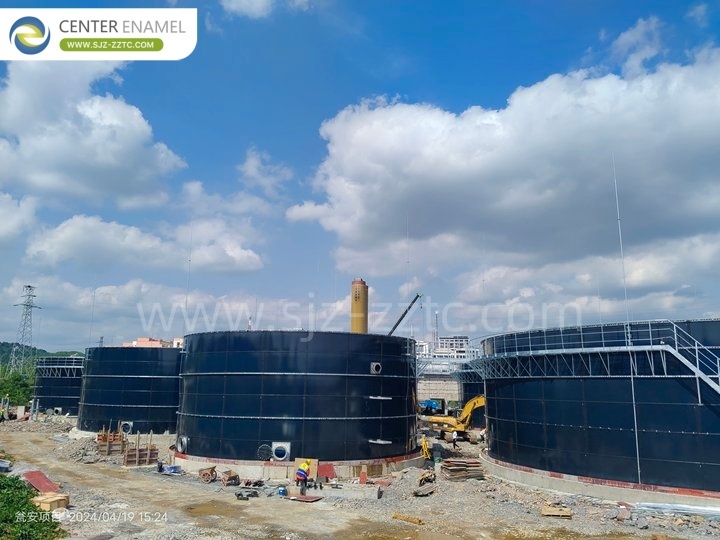
Tecnología líder de biogás y tanques GFS para el tratamiento de aguas residuales agrícolas de Indonesia
| Lugar de origen: | Porcelana |
| Nombre de la marca: | CEC TANKS |
| Certificación: | ISO 9001:2008, AWWA D103 , OSHA , BSCI |
| Número de modelo: | W. |
| Cantidad de orden mínima: | 1 juego |
| Precio: | $5000~$20000 one set |
| Detalles de empaquetado: | Espuma de polietileno entre cada dos placas de acero; palet de madera y madera |
| Tiempo de entrega: | 10-30 días después de recibir el depósito |
| Condiciones de pago: | LC, T/T |
| Capacidad de la fuente: | 60 juegos por mes |
|
Información detallada |
|||
| Lugar de origen | Porcelana | Nombre de la marca | CEC TANKS |
|---|---|---|---|
| Certificación | ISO 9001:2008, AWWA D103 , OSHA , BSCI | Número de modelo | W. |
| Color de la carrocería del tanque: | Verde oscuro / se puede personalizar | Integridad de corrosión: | Excelente |
| Grosor de placas de acero: | 3 mm a 12 mm, depende de la estructura del tanque | Resistencia química: | Excelente |
| Tamaño del panel: | 2.4m * 1.2m | Fácil de limpiar: | Suave, brillante, inerte, anti-adhesión |
| Resaltar: | tecnología de biogás para tratamiento de aguas residuales,Envases de GFS para aguas residuales agrícolas,Proyectos de tratamiento de aguas residuales en Indonesia |
||
Descripción del producto
Tecnología líder de biogás y tanques GFS para el tratamiento de aguas residuales agrícolas de Indonesia
En el dinámico panorama agrícola de Indonesia, la gestión de los residuos de ganado ha pasado de ser un desafío ambiental a una oportunidad estratégica para la producción de energía renovable.La mayor nación del archipiélago del mundo busca equilibrar la agricultura intensiva con la preservación ecológica, la integración de los sistemas avanzadosTecnología del biogásEl uso de sistemas de alta eficienciaEnvases de GFSEn el caso de las empresas de la industria de la energía, las empresas de la industria de la electricidad y las empresas de almacenamiento especializadas están transformando con éxito los efluentes orgánicos en una fuente de energía sostenible.
Desarrollo y política del biogás en el sector ganadero de Indonesia
El Gobierno de Indonesia ha promovido activamente la utilización de la energía de biomasa a través de su Política Nacional de Energía, con el objetivo de aumentar la proporción de energía renovable en la combinación de energías primarias.Reducir la dependencia de los combustibles fósiles y mitigar el impacto ambiental de las granjas porcinasEn el caso de las explotaciones agrícolas, las granjas avícolas y las explotaciones lecheras, el gobierno fomenta la aplicación de proyectos de transformación de residuos en recursos.
Las políticas clave se centran en la transición de los sistemas tradicionales de laguna abierta a las plantas de digestión anaeróbica de grado industrial.Estas regulaciones no sólo tienen por objeto reducir las emisiones de gases de efecto invernadero, sino también proteger los recursos hídricos vitales de Indonesia.Como protagonistaFabricante del contenedor de biogás, Center Enamel (Zhengzhong Technology) provides essential infrastructure—such as anaerobic reactors and gas containment systems—specifically engineered to withstand Indonesia’s humid tropical climate and the highly corrosive nature of manure wastewater.
Comprender el flujo de producción de biogás
La conversión de aguas residuales agrícolas en energía verde es un proceso biológico complejo, basado en las normas industriales modernas, el flujo de producción sigue un ciclo cerrado:
Recolección de residuos: Se recogen estiércol crudo y agua de lavado para garantizar una carga orgánica estable.
Digestión anaeróbica: El material entra en elEl depósito de GFSEn un ambiente sin oxígeno, los microorganismos especializados descomponen compuestos orgánicos complejos.
Captura de biogás: Durante la digestión, el gas rico en metano es liberado y capturado por una alta integridadcontenedores de biogásintegrado en la parte superior del reactor.
Recuperación energética y fertilización: El gas capturado se purifica para obtener electricidad o calor, mientras que el digestato rico en nutrientes restante se transforma en fertilizante orgánico, completando el ciclo de nutrientes.
Tanques GFS de esmalte central: material y ventajas principales
En el exigente entorno de la digestión anaeróbica, el material del reactor determina directamente la vida útil y la seguridad del proyecto.Tanques de vidrio fundido en acero (GFS)son el estándar de la industria para la infraestructura de biogás:
Composición superior del material: Los depósitos de GFS combinan la resistencia estructural del acero con la excepcional resistencia química del vidrio.capa protectora no porosa.
Resistencia excepcional a la corrosión: Esta barrera física es inmune a los altos niveles de amoníaco, sulfuro de hidrógeno ($H_2S$) y ácidos orgánicos que se encuentran en las aguas residuales del ganado, asegurando que el tanque permanezca libre de óxido durante décadas.
Instalación modular rápida: El diseño de los tornillos elimina la necesidad de una soldadura compleja en el lugar o de largos tiempos de curado del hormigón, lo que permite un montaje rápido incluso en regiones agrícolas remotas,acortando significativamente los ciclos de construcción.
Espacio y eficiencia de costes: Los tanques de GFS requieren una huella más pequeña que las lagunas tradicionales y ofrecen una vida útil superior a 30 años con un mantenimiento mínimo.
Procesos de ingeniería de precisión: CSTR, USR y UASB
Para maximizar el rendimiento de biogás de los diferentes tipos de efluentes agrícolas, el Centro Enamel apoya varios procesos biológicos anaeróbicos de alta velocidad:
CSTR (reactor de tanque completamente mezclado): El proceso más versátil para el estiércol animal espeso. Los mezcladores mecánicos mantienen un ambiente homogéneo, evitando que los sólidos se asienten y maximizando la actividad microbiana.
USR (reactor de sólidos de flujo ascendente): Específicamente optimizado para aguas residuales con altas concentraciones de sólidos en suspensión (SS), asegurando que la materia orgánica compleja se digiera a fondo.
UASB (cubierta de lodo anaeróbico de flujo ascendente): Proceso de alta carga en el que las aguas residuales fluyen hacia arriba a través de una densa cubierta de lodo granular, degradando rápidamente los contaminantes dentro de un volumen compacto del reactor.
Desempeño comprobado: excelencia en infraestructuras globales
La tecnología de Center Enamel® está verificada por proyectos de alto rendimiento en diversos climas e industrias.
1Proyecto de biogás en Suecia
Este proyecto demuestra la versatilidad y fiabilidad de la tecnología GFS en el mercado europeo, donde las normas medioambientales son excepcionalmente estrictas.
Aplicación: Producción y almacenamiento de biogás.
UbicaciónSuécia.
Equipo: Tanques de vidrio enmallado central fundido en acero (GFS).
Resultado: El diseño modular permitió una rápida implantación, proporcionando una solución a prueba de fugas y estructuralmente sólida para las operaciones de biogás en altas latitudes.
2Proyecto de biogás en Henan
Este proyecto pone de relieve la eficiencia del proceso CSTR en la recuperación de energía a gran escala a partir de residuos agrícolas.
Ubicación: Provincia de Henan, China.
Capacidad de manejo: 650 toneladas/día de estiércol de animales de granja y aguas residuales de lavado.
Tecnología: Fermentación anaeróbica a temperatura media con elProceso de CSTR.
Detalles del sistema: Incluye 3 conjuntos de reactores primarios (Φ15.29 × 15m) y 1 conjunto de reactores secundarios (Φ5.22 × 6m).
Resultado: Diseñado para una producción anual de 3 millones $m^3$ de metano para vehículos.
Fecha de instalación: 2013.
Conclusión: Colaboración para un futuro más verde
Para los operadores agrícolas en Indonesia y en todo el mundo, la transición a una gestión sostenible de los residuos es tanto una responsabilidad ambiental como una oportunidad económica.Al combinar la resiliencia estructural de losEnvases de GFScon avanzadoTecnología del biogás, Center Enamel ofrece una solución integral paraTratamiento de aguas residuales agrícolasCon más de 30 años de experiencia y proyectos en más de 100 países, Center Enamel (Zhengzhong Technology) se mantiene a la vanguardia de la industria global de energía a partir de biomasa.dedicado a convertir los residuos agrícolas en un futuro energético sostenible.