-
Vidrio fundido en tanques de acero (596)
-
los tanques de acero inoxidables (434)
-
La fusión enlazó los tanques de epoxy (592)
-
Tanques de acero galvanizado (321)
-
Tejados de aluminio de la bóveda (1316)
-
Tanques de almacenamiento de aguas residuales (231)
-
tanques de acero soldados (457)
-
Recipientes del reactor (295)
-
Digestor anaerobio (201)
-
Los tanques de agua industriales (349)
-
Tanques de acero revestidos de vidrio (180)
-
Los tanques de acero empernados (390)
-
El tanque de almacenamiento del barro (115)
-
El tanque de almacenamiento del biogás (173)
-
Tanques de almacenamiento de lixiviación (133)
-
Tanques de almacenamiento de agua agrícola (179)
-
Tanque de agua de fuego (166)
-
Silos de almacenamiento de cereales (146)
-
Proyectos de biogás (425)
-
Proyectos del tratamiento de aguas residuales (788)
-
Techo de doble membrana (223)

|
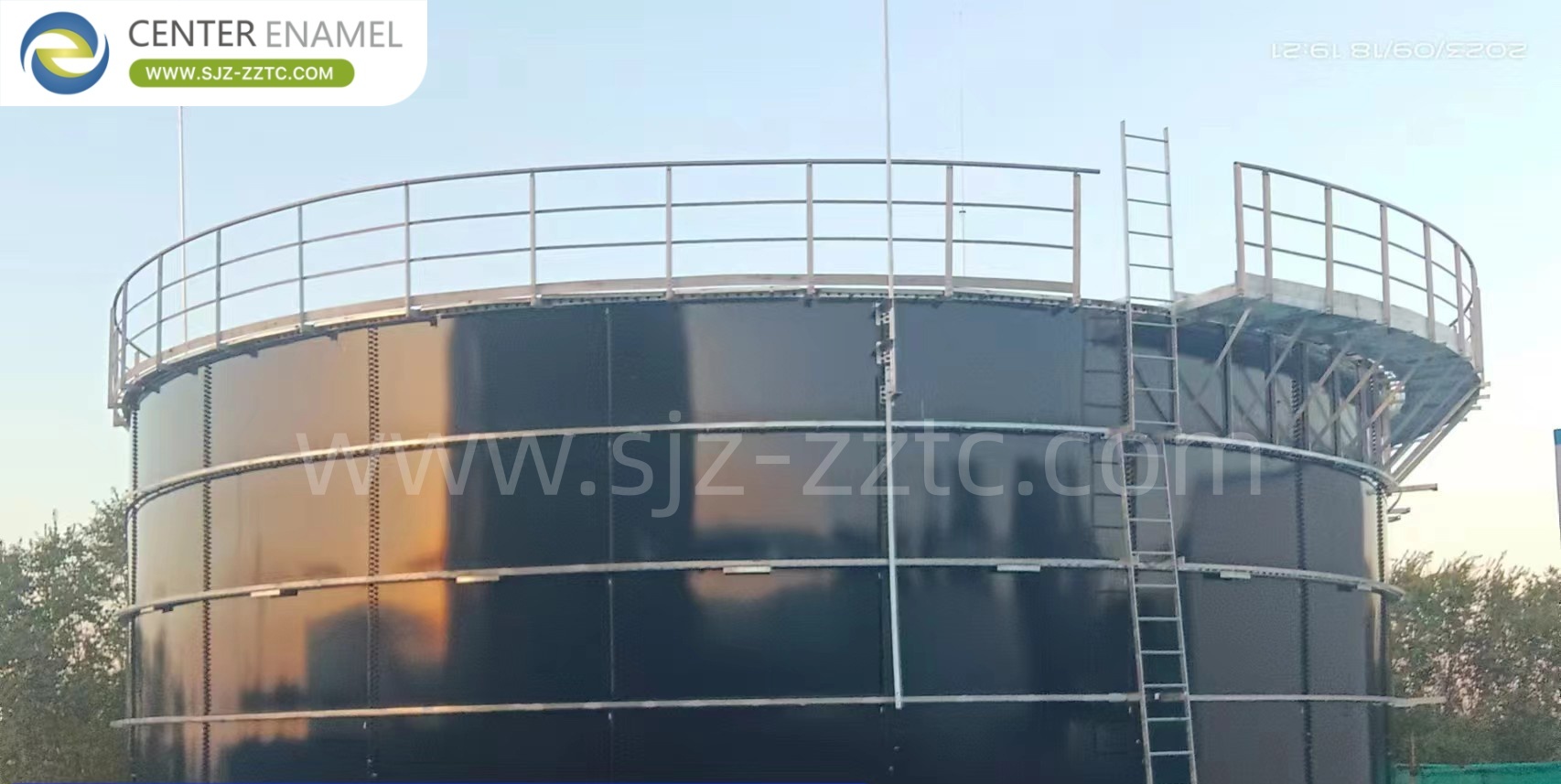
Soluciones anaeróbicas avanzadas y procesos USR para proyectos de biogás de residuos de alimentos en Vietnam
| Lugar de origen: | Porcelana |
| Nombre de la marca: | CEC TANKS |
| Certificación: | ISO 9001:2008, AWWA D103 , OSHA , BSCI |
| Número de modelo: | W. |
| Cantidad de orden mínima: | 1 juego |
| Precio: | $5000~$20000 one set |
| Detalles de empaquetado: | Espuma de polietileno entre cada dos placas de acero; palet de madera y madera |
| Tiempo de entrega: | 10-30 días después de recibir el depósito |
| Condiciones de pago: | LC, T/T |
| Capacidad de la fuente: | 60 juegos por mes |
|
Información detallada |
|||
| Lugar de origen | Porcelana | Nombre de la marca | CEC TANKS |
|---|---|---|---|
| Certificación | ISO 9001:2008, AWWA D103 , OSHA , BSCI | Número de modelo | W. |
| Color de la carrocería del tanque: | Verde oscuro/personalizable | Integridad de la corrosión: | Excelente |
| Espesor de las placas de acero: | 3 mm a 12 mm, depende de la estructura del tanque | Resistencia química: | Excelente |
| Tamaño del panel: | 2,4 M * 1,2 M | Fácil de limpiar: | Suave, brillante, inerte, antiadherente. |
| Resaltar: | Soluciones de digestión anaeróbica para residuos de alimentos,proyectos de biogás de proceso USR,tratamiento de aguas residuales con biogás en Vietnam. |
||
Descripción del producto
Soluciones anaeróbicas avanzadas y proceso USR para proyectos de biogás de residuos alimentarios de Vietnam
Vietnam está experimentando una industrialización, urbanización y rápida expansión sin precedentes dentro de sus sectores culinarios y agroindustriales.Este desarrollo económico dinámico ha provocado inevitablemente un fuerte aumento de la producción de residuos orgánicos, haciendo de la gestión sostenible de los residuos alimentarios un mandato de alta prioridad en el marco de las hojas de ruta de desarrollo verde moderno y economía circular de la nación.Para hacer frente eficazmente a este creciente desafío municipal e industrial, adoptando las nuevas tecnologíasSoluciones anaerobiasLa asociación con un experto contratista de EPC para poner en marcha un marco de trabajoProyectos de biogás de residuos alimentariosLa industria de la limpieza es ahora reconocida como el punto de referencia de la industria premium para lograr un desarrollo limpio en todo Vietnam.
Fuentes y riesgos ambientales de los residuos alimentarios en Vietnam
Las cantidades masivas de desperdicio de alimentos generados en todo Vietnam se remontan a varios sectores socioeconómicos prominentes:
Hospitalidad comercial y urbana:Grandes volúmenes son producidos diariamente por hoteles, restaurantes, comedores corporativos,y los extensos mercados tradicionales de alimentos al por mayor en los epicentros municipales densamente poblados como Ho Chi Minh y Hanoi.
Procesamiento de alimentos y agroindustria:Los grandes volúmenes de residuos orgánicos, subproductos de procesamiento y desechos de clasificación fluyen continuamente desde las unidades de procesamiento agrícola localizadas, las líneas de envasado de mariscos,y fábricas de embalaje de bebidas.
Cuando no se maneja y se arroja casualmente, esta masa orgánica produce riesgos catastróficos para la salud pública y la descomposición ambiental.se somete a una rápidaEsta liberación introduce enormes cargas de metano en la atmósfera, un gas de efecto invernadero que acelera fuertemente el cambio climático global.la generación deEl lixiviado tóxico satura la capa superior del suelo circundante y amenaza los recursos hídricos subterráneos críticos, produciendo al mismo tiempo malos olores y actuando como un caldo de cultivo para vectores de enfermedades peligrosas.
Cómo los residuos alimentarios se convierten en biogás
La conversión de desechos orgánicos complejos de alimentos en energía verde fiable se basa en la digestión anaeróbica.una secuencia biológica natural de varias etapas en la que cultivos bacterianos especializados descomponen la materia orgánica en un ambiente completamente libre de oxígenoEste proceso de conversión bioquímica avanzada pasa por cuatro etapas biológicas distintivas:
Hidrólisis:Los polímeros orgánicos complejos y pesados, es decir, las proteínas, los carbohidratos y los lípidos, se licuan y se disuelven en monómeros simples y solubles, como los aminoácidos y los azúcares.
Acidogénesis:Las poblaciones de bacterias que forman ácidos fermentan estos monómeros recién formados, convirtiéndolos sistemáticamente en ácidos grasos volátiles (VFA), ácidos lácticos y alcoholes.
Acetogénesis:Los microorganismos acetogénicos digieren aún más los VFA acumulados y los productos intermedios, sintetizándolos en ácido acético, dióxido de carbono ($ CO_2 $) y gas hidrógeno ($ H_2 $).
Metanogénesis:Las arqueas metanogénicas altamente sensibles consumen el ácido acético y el hidrógeno para producir un flujo de biogás de alto rendimiento, que consiste principalmente en metano ($ CH_4$) y dióxido de carbono ($ CO_2$).Este biogás capturado puede utilizarse directamente para la generación de electricidad verde, calefacción térmica industrial, o refinado en biometano comprimido.
Tecnologías anaeróbicas básicas: CSTR, UASB, USR e IC
El despliegue de la arquitectura correcta del reactor es esencial para dominar las características altamente fluctuantes y variables de los residuos alimentarios.Center Enamel ofrece ingeniería especializada en cuatro configuraciones anaeróbicas primarias de alta velocidad:
CSTR (reactor de tanque de agitación continua):Es muy eficaz para los residuos orgánicos sólidos, como los residuos de cocina y los lodos orgánicos.Su robusto mecanismo de agitación mecánica continua asegura una matriz de digestión perfectamente homogénea, evitando la formación de espuma en la superficie.
UASB (cubierta de lodo anaeróbico ascendente):Un proceso de alta velocidad ideal para las aguas residuales de fase líquida con carga orgánica moderada.Captura de la alta demanda de oxígeno químico (COD) en una huella mínima.
USR (reactor de sólidos de flujo ascendente):ElProceso de USRestá diseñado específicamente para flujos de residuos orgánicos con elevados niveles de sólidos en suspensión (SS).garantiza una completa descomposición biológica., por lo que es increíblemente eficaz para el procesamiento de desechos de alimentos espesos.
Reactor de circulación interna:Un biorreactor de última generación de alta velocidad con un circuito de circulación interna de dos etapas propulsado automáticamente por biogás generado por la flotabilidad.lo que lo hace perfecto para el procesamiento industrial a gran escala e instalaciones de cervecería.
Las ventajas de los tanques de GFS en Vietnam Proyectos de biogás de desechos de alimentos
El éxito operativo a largo plazo de unProyecto de biogás de residuos alimentariosEn la actualidad, la industria de los reactores de contención depende en gran medida de la fiabilidad estructural de sus principales reactores de contención.Envases de GFS) para obtener un rendimiento de campo excepcional:
Protección Elite contra la corrosión y los productos químicos:La degradación de los desechos de alimentos produce un medio químico agresivo lleno de ácidos orgánicos volátiles y gas de sulfuro de hidrógeno altamente corrosivo ($ H_2S $).La capa de vidrio inerte fusionada molecularmente a ambos lados de las placas de acero forma una barrera impermeable que resiste el ataque químico, más resistente que el hormigón convencional o el acero al carbono.
Resistencia a los sismos y a las intempéries:Vietnam experimenta tifones costeros, fuertes temporadas de monzones y amenazas sísmicas localizadas.Envases de GFSproporciona la elasticidad estructural de ingeniería, dando a los tanques superior impacto y resistencia sísmica en comparación con rígidas estructuras de hormigón propensas a grietas.
Instalación rápida y logística simplificada en el sitio:Fabricados íntegramente en un entorno de fábrica controlado,Envases de GFSSe envían modularmente y se ensamblan rápidamente utilizando sistemas especializados de elevación de arriba hacia abajo, lo que elimina completamente los largos tiempos de curado del hormigón y reduce drásticamente las necesidades de mano de obra local.reducir los costes de instalación.
Perfil escalable y de alta densidad:El diseño vertical de los tanques de acero atornillado maximiza el almacenamiento volumétrico de fluidos dentro de una huella de tierra muy minimizada,permitir que los proyectos se amplíen sin problemas con unidades modulares a medida que crecen los volúmenes de residuos con el tiempo.
¿Por qué asociarse con Center Enamel para proyectos de biogás?
Seleccionar Center Enamel como su socio EPC experto llave en mano desbloquea ventajas operativas y técnicas distintivas:
Ciclo de vida del proyecto llave en mano de extremo a extremo:Proporcionamos un paquete integral de ingeniería, que abarca el diseño de procesos personalizados, la fabricación de tanques, el abastecimiento de equipos de precisión, la instalación rápida en el campo y la integración de control automatizado.
Capacidades de ingeniería personalizadas:Reconociendo que las propiedades de los residuos orgánicos varían según los sectores geográficos,Nuestro equipo técnico de ingenieros de precisión cada sistema anaeróbico para que coincida perfectamente con las materias primas locales y los criterios ambientales.
Suite de tecnología completa:Más allá de la industria manufactureraEnvases de GFS, diseñamos e integramos componentes esenciales incluyendo contenedores de gas de doble membrana, mezcladores de trabajo pesado y unidades avanzadas de purificación de biogás.
Experiencia en el campo a nivel mundial:Con proyectos exitosos de transformación de residuos en energía desplegados con éxito en más de 100 países,El Centro Enamel alinea eficazmente las innovaciones internacionales para adaptarse a los estándares industriales de Vietnam y las variaciones climáticas específicas.
Estudios de casos de referencia de proyectos comprobados
Las sólidas capacidades de ingeniería de Center Enamel y la huella de proyectos globales se reflejan en nuestras instalaciones de biogás a gran escala:
Caso 1: Proyecto de biogás de Singapur
Etapa del proceso: CSTR
Las dimensiones del tanque:
φ18.34 × 8.4 m (H) 1 Unidad
φ8,41 × 9,0 m (H) 1 Unidad
φ11.46 × 7.2 m (H) 1 Unidad
Volumen total: 3.458 m3
Año de finalización: 2021
Caso 2: Proyecto de biogás en Francia
Etapa del proceso: CSTR
Dimensiones del tanque: φ18.33 × 8.4 m (H) 1 Unidad
Volumen total: 2.215 m3 1 Unidad
Año de finalización: 2021
La construcción de una infraestructura de residuos resiliente y sostenible es crucial a medida que Vietnam impulsa agresivamente su transición ecológica hacia una economía ecológica y sin residuos.Proyectos de biogás de residuos alimentariosmotorizados por el manejo especializado de sólidos suspendidosProceso de USRy primasEnvases de GFSProporciona a los organismos municipales y a las industrias alimentarias comerciales un camino definitivo y rentable para eliminar las pesadas responsabilidades ambientales.las partes interesadas desbloquean el acceso directo a la ingeniería de procesos internacional de primer nivel, probado en el campoSoluciones anaerobiasEste enfoque integral satisface fácilmente los mandatos modernos de protección del medio ambiente, reduce significativamente los costes de gestión de residuos localizados,y genera un flujo constante de energía renovable, garantizando que los objetivos de desarrollo verde y climático a largo plazo de Vietnam se cumplan con un éxito técnico y comercial excepcional..