-
Vidrio fundido en tanques de acero (596)
-
los tanques de acero inoxidables (434)
-
La fusión enlazó los tanques de epoxy (592)
-
Tanques de acero galvanizado (321)
-
Tejados de aluminio de la bóveda (1316)
-
Tanques de almacenamiento de aguas residuales (231)
-
tanques de acero soldados (457)
-
Recipientes del reactor (295)
-
Digestor anaerobio (201)
-
Los tanques de agua industriales (349)
-
Tanques de acero revestidos de vidrio (180)
-
Los tanques de acero empernados (390)
-
El tanque de almacenamiento del barro (115)
-
El tanque de almacenamiento del biogás (173)
-
Tanques de almacenamiento de lixiviación (133)
-
Tanques de almacenamiento de agua agrícola (179)
-
Tanque de agua de fuego (166)
-
Silos de almacenamiento de cereales (146)
-
Proyectos de biogás (425)
-
Proyectos del tratamiento de aguas residuales (788)
-
Techo de doble membrana (223)

|
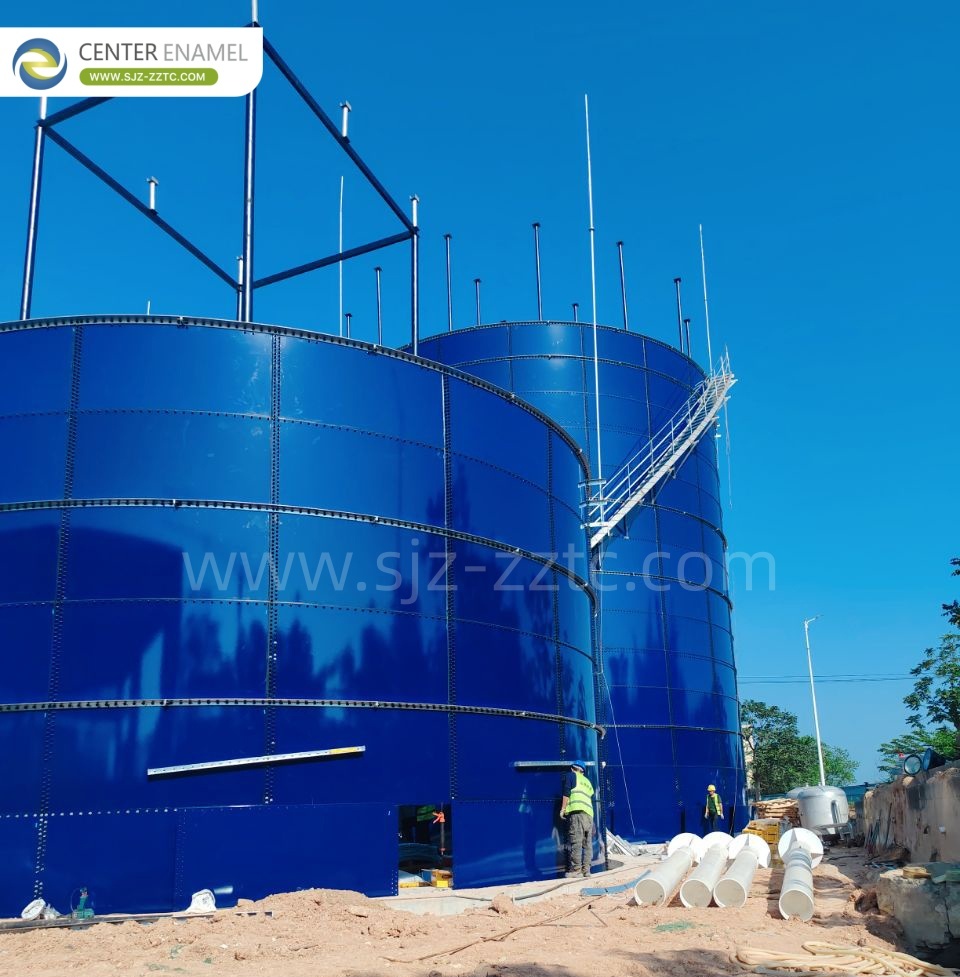
Soluciones anaeróbicas avanzadas para proyectos de biogás de paja de ensilaje de Nueva Zelanda
| Lugar de origen: | Porcelana |
| Nombre de la marca: | CEC TANKS |
| Certificación: | ISO 9001:2008, AWWA D103 , OSHA , BSCI |
| Número de modelo: | W. |
| Cantidad de orden mínima: | 1 juego |
| Precio: | $5000~$20000 one set |
| Detalles de empaquetado: | Espuma de polietileno entre cada dos placas de acero; palet de madera y madera |
| Tiempo de entrega: | 10-30 días después de recibir el depósito |
| Condiciones de pago: | LC, T/T |
| Capacidad de la fuente: | 60 juegos por mes |
|
Información detallada |
|||
| Lugar de origen | Porcelana | Nombre de la marca | CEC TANKS |
|---|---|---|---|
| Certificación | ISO 9001:2008, AWWA D103 , OSHA , BSCI | Número de modelo | W. |
| Color de la carrocería del tanque: | Verde oscuro/personalizable | Integridad de la corrosión: | Excelente |
| Espesor de las placas de acero: | 3 mm a 12 mm, depende de la estructura del tanque | Resistencia química: | Excelente |
| Tamaño del panel: | 2,4 M * 1,2 M | Fácil de limpiar: | Suave, brillante, inerte, antiadherente. |
| Resaltar: | Soluciones anaeróbicas para paja de ensilaje,Proyectos de biogás de Nueva Zelanda,soluciones de biogás para el tratamiento de aguas residuales |
||
Descripción del producto
Soluciones anaeróbicas avanzadas para proyectos de biogás de paja de ensilaje de Nueva Zelanda
En los últimos años, Nueva Zelanda ha acelerado constantemente sus iniciativas en materia de energías renovables y de bioeconomía circular.impulsado por estrictas regulaciones medioambientales y un ambicioso compromiso nacional para reducir las emisiones netas de carbonoMientras que el país es mundialmente conocido por sus productos lácteos de primera calidad y sus sectores agrícolas expansivos,La aplicación de soluciones diversificadas de biomasa se ha convertido en una vía fundamental para la gestión ambiental sostenible- La utilización de sistemas anaeróbicos altamente eficientes para convertir residuos de cultivos regionales en bioenergía limpia representa una piedra angular estratégica para estabilizar las redes de energía descentralizada de biogás.abordar las demandas estacionales de la red, y la mitigación de los gases de efecto invernadero agrícolas.
Descripción general y aplicaciones de los recursos de paja de ensilaje en Nueva Zelanda
La producción de paja de ensilaje y la recolección estratégica se están expandiendo constantemente en toda Nueva Zelanda, con el apoyo de las tierras altamente fértiles de la nación y el clima templado favorable.Como residuo orgánico abundante y consistente en su textura obtenido de cultivos de cereales primariosLa paja de ensilaje sirve como materia prima estructural ideal para el desarrollo de la transformación de residuos en energía a escala comercial.La paja de ensilaje está ganando fuerza rápidamente como un producto industrial de alto rendimientoSu alto contenido de lignocelulas lo convierte en un candidato excepcional para instalaciones de transformación de residuos en energía localizadas y automatizadas.el empoderamiento de los operadores agrícolas para transformar los subproductos agrícolas de rutina en productos rentables, energía limpia de alto valor.
Cómo la paja de ensilaje se transforma en biogás: La secuencia biológica
The biological conversion of industrial silage straw into methane-rich biogas occurs through anaerobic digestion—a finely tuned biological sequence where specialized bacterial cultures break down complex organic matter in a completely oxygen-free environmentEsta compleja vía bioquímica opera a través de cuatro etapas secuenciales:
Hidrólisis:Las fibras de celulosa complejas y las robustas estructuras lignocelulares dentro de la paja de ensilaje picada se descomponen enzimáticamente en azúcares simples solubles.
Acidogénesis:Los microorganismos que producen ácidos fermentan estos componentes orgánicos simples en ácidos grasos volátiles (AVV) y alcoholes.
Acetogénesis:Posteriormente, bacterias acetogénicas especializadas convierten los VFA acumulados en ácido acético, dióxido de carbono e hidrógeno puro.
Metanogénesis:En la etapa final crítica, las arqueas metanogénicas altamente sensibles metabolizan estos precursores dinámicos, produciendo un flujo de biogás de alto rendimiento listo para la generación continua de energía de biogás.
Beneficios estratégicos multidimensionales para Nueva Zelanda
La aplicación de soluciones avanzadas de biogás de paja de ensilaje ofrece múltiples ventajas a largo plazo en los paisajes agrícolas y ecológicos de Nueva Zelanda:
Reducción significativa de las emisiones de carbono:El procesamiento anaeróbico localizado de la paja de ensilaje previene la pudrición natural del campo y la descomposición al aire libre, reduciendo directamente las emisiones incontroladas de metano y óxido nitroso.
Energía de biogás bajo demanda y resistencia de la red:La conversión de residuos agrícolas densos en electricidad de carga base proporciona una fuente de energía renovable predecible e independiente de las condiciones climáticas que estabiliza las redes eléctricas rurales regionales.
Producción de biofertilizantes circulares:El digestado gastado del reactor es un excelente fertilizante orgánico denso en nutrientes, lo que permite a las granjas comerciales reemplazar los insumos químicos sintéticos y mejorar la salud del suelo.
Tecnologías anaeróbicas básicas: CSTR, UASB, USR e IC
La selección de una configuración de proceso biológico adecuada es vital para hacer frente a las fluctuaciones de las cargas orgánicas y a los altos niveles de sólidos en suspensión típicos de los flujos de biomasa agrícola.Center Enamel ofrece experiencia especializada en cuatro procesos anaeróbicos distintos:
CSTR (reactor de tanque de agitación continua):El proceso CSTR representa la opción óptima para la gestión de los flujos de residuos con altas fracciones sólidas o pulpas orgánicas gruesas como paja de ensilaje picada.Sus poderosos sistemas mecánicos de mezcla mantienen un ambiente biológico completamente uniforme, suprimiendo con éxito la formación de escamas superficiales y garantizando una conversión orgánica constante y de alta tasa.
UASB (cubierta de lodo anaeróbico ascendente):Proceso de fase líquida de alta capacidad de respuesta, ideal para aguas residuales agrícolas preinstaladas. Los residuos líquidos se mueven hacia arriba a través de un lecho de lodo granular denso y autoensamblado.COD soluble de degradación rápida en una configuración de planta que ahorra espacio.
USR (reactor de sólidos de flujo ascendente):Específicamente configurados para gestionar los flujos de residuos con altos sólidos en suspensión (SS) totales.Esta configuración funciona mediante la retención de partículas orgánicas dentro de la zona de digestión durante un período prolongado, garantizando una descomposición completa y una producción superior de biogás.
Reactor de circulación interna:Un reactor profundo de última generación de alta eficiencia con un circuito de circulación interna integrado de dos etapas impulsado por una flotabilidad de biogás autogenerado.Se destaca en la gestión de las tasas de carga orgánica volumétrica excepcionalmente pesada, por lo que es adecuado para instalaciones industriales de gran capacidad.
Ventajas de los tanques de GFS en los proyectos de biogás de paja de ensilaje de Nueva Zelanda
El rendimiento a lo largo de décadas de cualquier desarrollo de la transformación de residuos industriales en energía depende directamente de la fiabilidad estructural de sus principales recipientes de contención.Center Enamel incorpora sus tanques de vidrio fundido a acero (GFS) de clase mundial para proporcionar una durabilidad incomparable bajo el clima oceánico distinto de Nueva Zelanda y los estrictos criterios de diseño sísmico:
Protección química y de corrosión excepcional:La degradación anaeróbica de la biomasa orgánica genera ácidos orgánicos agresivos y gas altamente corrosivo de sulfuro de hidrógeno (H2S).capa impermeable que aísla completamente el acero del desgaste químico, superando el hormigón tradicional o el acero soldado.
Adaptabilidad al estrés climático y sísmico:Nueva Zelanda experimenta una fuerte humedad costera, una intensa exposición a los rayos UV y condiciones sísmicas activas.permitir que los buques resistan mejor las condiciones meteorológicas físicas, desplazamiento localizado y expansión térmica sin desarrollar grietas estructurales.
Instalación y logística rápidas en el sitio:Prefabricados completamente en un entorno de fábrica controlado, los tanques GFS se entregan de forma modular al sitio del proyecto y se montan rápidamente utilizando enchufes hidráulicos especializados.Esto elimina las largas fases de curado del hormigón y reduce las necesidades de mano de obra local, garantizando una puesta en marcha rápida del proyecto.
Optimización de la huella de tierra y escalabilidad:El espacio puede ser muy limitado en los diseños agrícolas comerciales.que facilita la adición de unidades modulares de manera fluida a medida que los volúmenes de procesamiento de biomasa entrantes aumentan con el tiempo.
¿Por qué asociarse con Center Enamel para proyectos de biogás?
Elegir Center Enamel como su contratista especializado en EPC ofrece amplias ventajas operativas y tecnológicas:
Paquetes de ingeniería llave en mano:Proporcionamos un servicio de ciclo de vida de proyecto todo incluido, que abarca diseño de procesos biológicos personalizados, fabricación de tanques de primera calidad, abastecimiento de equipos de precisión, instalación rápida en el campo,y puesta en marcha del sistema de automatización inteligente.
Diseño de una solución técnica a medida:Entendidos que las propiedades de la biomasa varían según los ciclos de cosecha y las escalas de procesamiento,Nuestros ingenieros expertos configuran cada planta anaeróbica para que coincida con las propiedades de los residuos locales y los parámetros ambientales regionales.
Equipo totalmente integrado:Además de producir tanques GFS de primera calidad, diseñamos e implementamos componentes cruciales del proceso, como contenedores de gas de doble membrana, sistemas de mezcla personalizados y unidades avanzadas de purificación de biogás.
Extenso historial de proyectos globales:Con sistemas de almacenamiento y tratamiento en más de 100 países,El Centro Enamel alinea eficazmente las innovaciones mundiales de transformación de residuos en energía con las normas locales y los estrictos mandatos ambientales.
Estudios de casos de proyectos probados por la industria
Las capacidades globales de diseño y los sólidos estándares de ingeniería de Center Enamel se demuestran a través de las principales instalaciones internacionales de transformación de residuos en energía:
Caso 1: Proyecto de biogás de Singapur
Etapa del proceso: CSTR
Las dimensiones del tanque:
φ18.34 × 8.4 m (H) 1 Unidad
φ8,41 × 9,0 m (H) 1 Unidad
φ11.46 × 7.2 m (H) 1 Unidad
Volumen total: 3.458 m3
Fecha de finalización: 2021
Caso 2: Proyecto de biogás de Indonesia
Aplicación: Reactores anaeróbicos para plantas de tratamiento de aguas residuales de aceite de palma
Modelos de tanques: Ø17.58 × 8.4 m, Ø16.82 × 7.2 m
Número de depósitos: 3 depósitos de GFS
Fecha de instalación: 2013
El desarrollo de infraestructuras duraderas y modernas es esencial a medida que Nueva Zelanda intensifica su dedicación al crecimiento económico ecológico, el estricto cumplimiento de las normas de descarga agrícola y la recuperación sostenible de recursos.Construcción de proyectos especializados de biogás para el procesamiento de paja de ensilaje basados en soluciones anaeróbicas avanzadas, el proceso flexible de CSTR y los tanques de GFS de alta calidad proporcionan a los productores agrícolas comerciales y a las autoridades municipales unamétodo lucrativo para resolver los desafíos de residuos ambientalesAl formar una asociación estratégica con el Centro Enamel, los actores municipales e industriales aseguran acceso directo a ingeniería de procesos de clase mundial, configuraciones anaeróbicas probadas en el campo,y sistemas de contención resistentesEste enfoque global satisface fácilmente los estrictos mandatos ambientales locales, reduce en gran medida los gastos diarios de eliminación de residuos,y produce una fuente fiable de energía limpia de biogás, garantizando la protección del medio ambiente a largo plazo de Nueva Zelanda y el logro de los objetivos de energía renovable..